Nursery tags and labels: how do you choose for the growing environment?
On this page
Nursery labelling needs to remain legible in the conditions surrounding the plant. Start with the tag position and required usage duration, then choose its shape and material.
Where is the marking located?
Distinguish between marking on a pot, a tag tied to a branch and a stake tag inserted in growing media. Measure the space and decide whether identification is for nursery staff, customers or both.
Define exposure without guessing durability
Specify direct sunlight, irrigation, moisture, cleaning and friction. A material that looks plastic is not necessarily suitable for every outdoor condition, and print quality also affects the result over time.
Plan a label that is easy to read
Choose the necessary information: plant name, variety, price, SKU or short instructions. Check readability at the tag's viewing distance and leave sufficient barcode space if required.
Test a sample in your environment
Before quantity ordering, test a sample on the pot or plant under actual watering and storage conditions. Request material, print and attachment approval based on testing, not a generic durability promise.
Tailor a business solution
Relevant products in the catalogue - Contact us with a sample, dimensions and model name for a compatibility check.
Guides to continue your selection
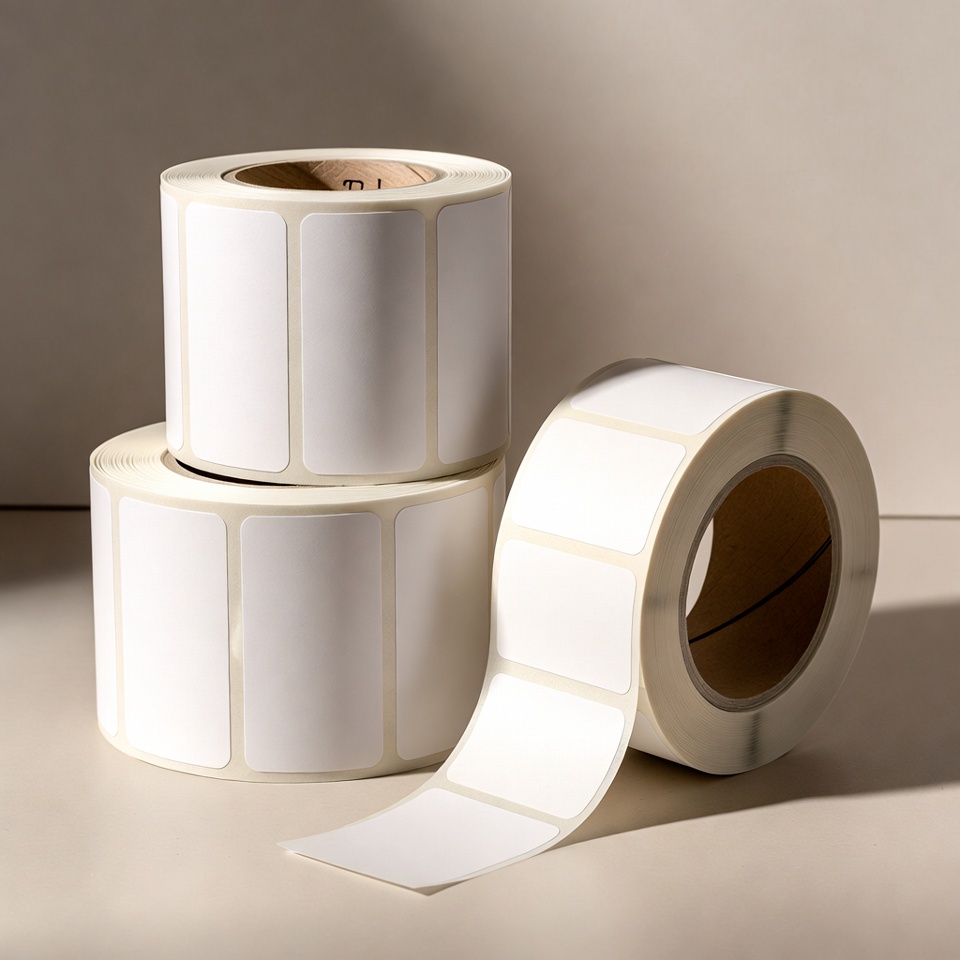
To complete details before ordering: Roll dimensions and structure andChoosing the printing method.
The tag must work even after watering
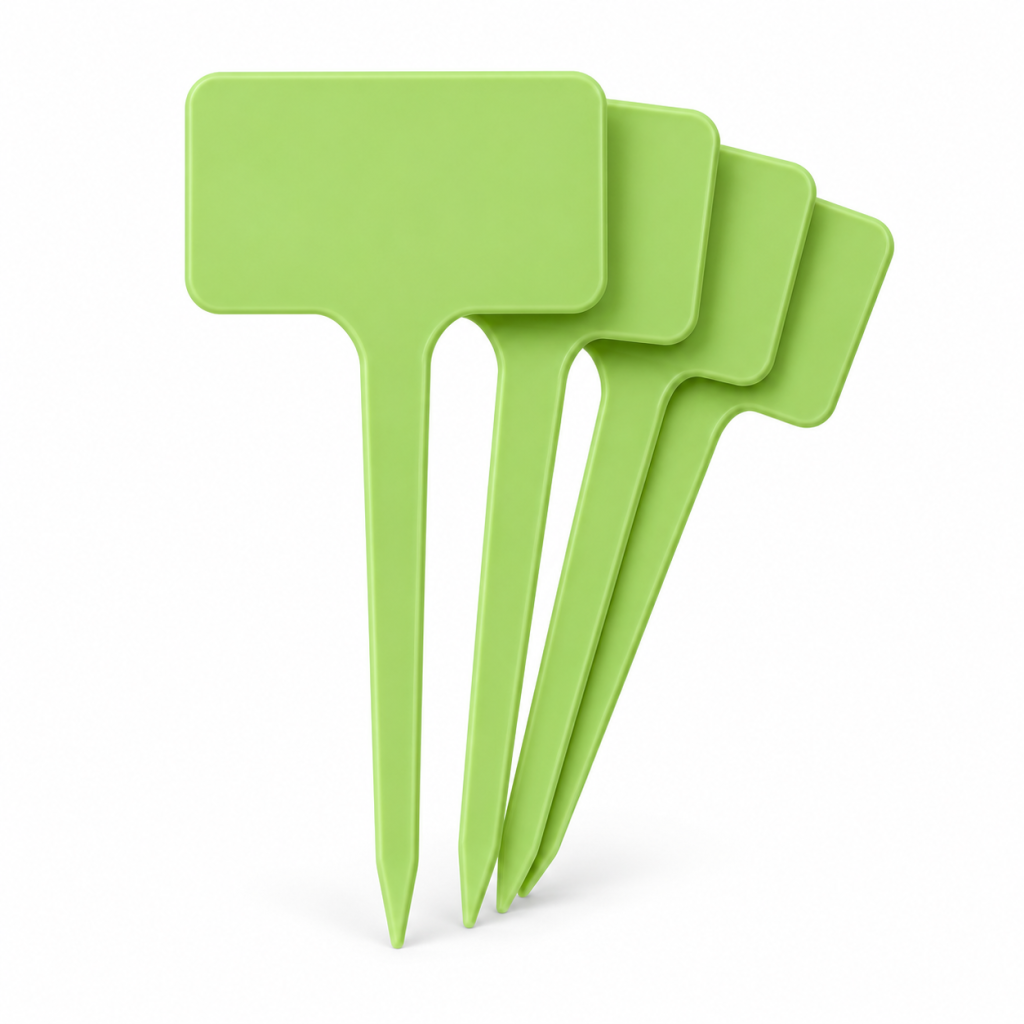
Define where the identification appears: on a pot, a stake tag or packaging. Detail watering and sunlight exposure and handling methods. These are different requirements; do not assume a tag that lasts inside a shop also suits an outdoor site.
Choose information that is easy to update and read: plant name, price or inventory identifier, according to the task. If customers need to retain care instructions, plan the text structure separately from the price label. A print sample allows font size and readability to be checked beside the plant.
Check the attachment method and equipment too. A stake tag and an adhesive label are different products with different limitations. Before repeat ordering, retain a sample and material, printer and printing details, and update us if growing conditions or location have changed.
A short preparation checklist before choosing
- Stake tag or adhesive label
- Location and exposure conditions
- Content and dimensions
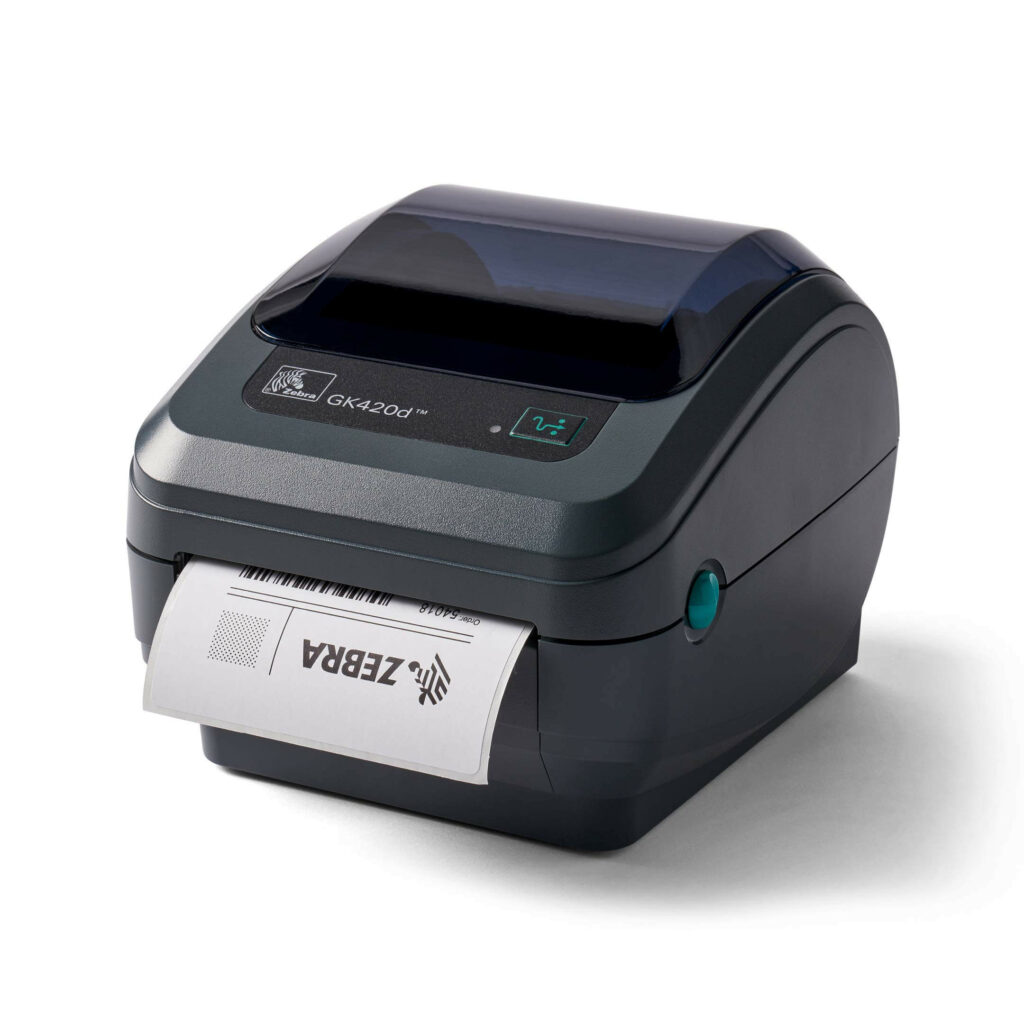
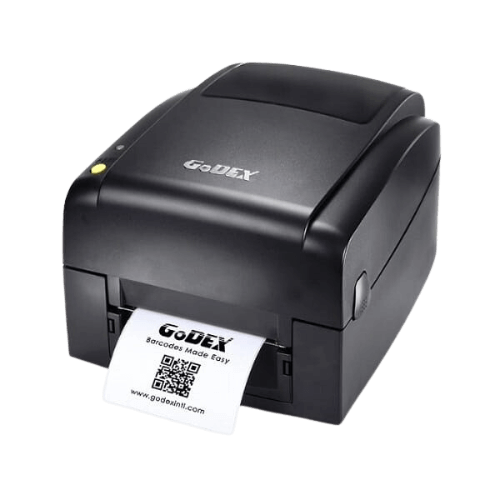
- Printer model and quantity
How do I check that the solution is suitable?
Prepare a representative work sample. Test it with your equipment and item, record approvals and outstanding questions, and keep the version and specifications for repeat orders. Compare alternatives under the same conditions, not using photographs or prices for different tasks.
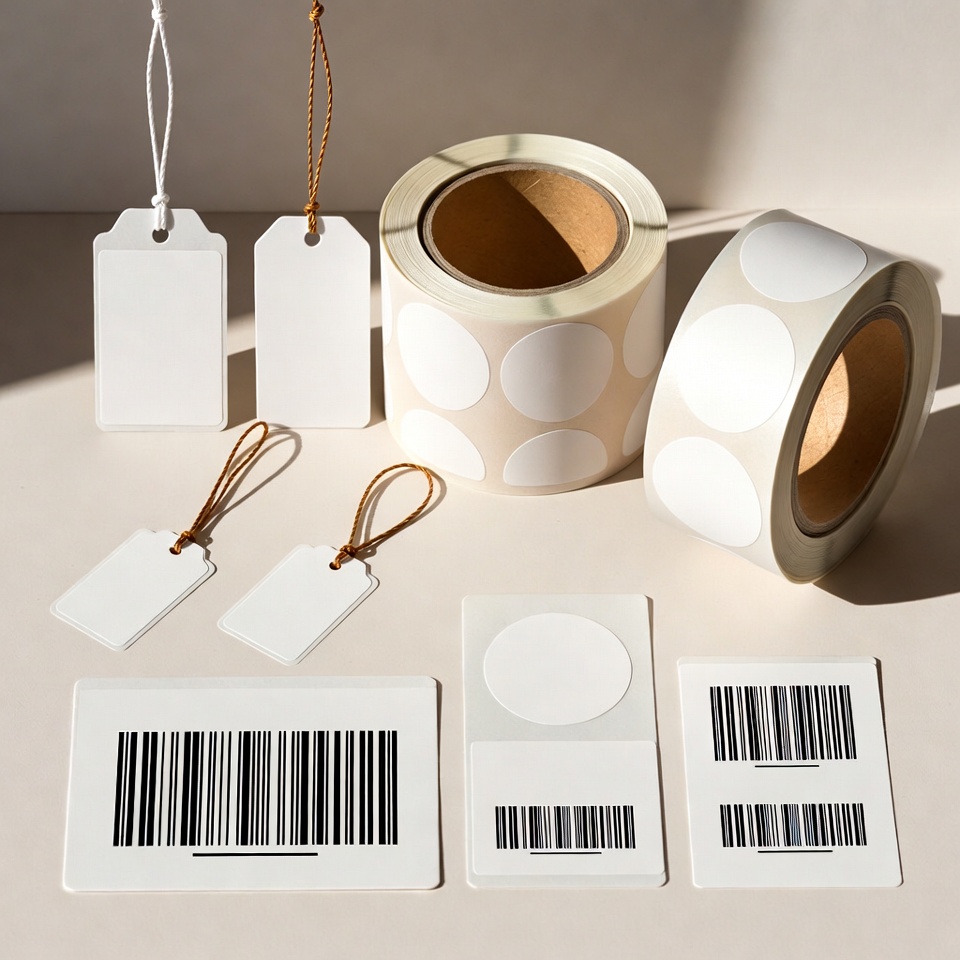
Hang tag, stake tag or an adhesive label on the pot?
Choose according to where staff and customers need to read the information. A tag attached to a branch differs from a stake tag in growing media, while a container label needs adhesion testing on its material. Allow room for the variety name and information important for sale or care.
Keep information useful
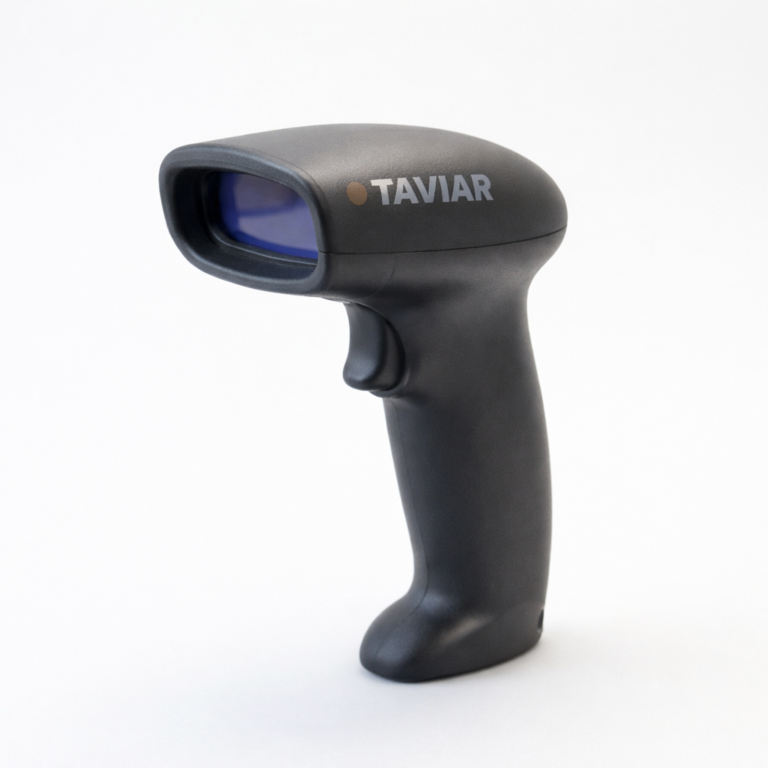
If there is a barcode, test scanning after attaching the tag to the plant or container. For a large product range, plan which field changes between varieties and which stays fixed. Specify water and sun exposure and the expected service life; material durability requires confirmation and is not implied by the word “tag”.
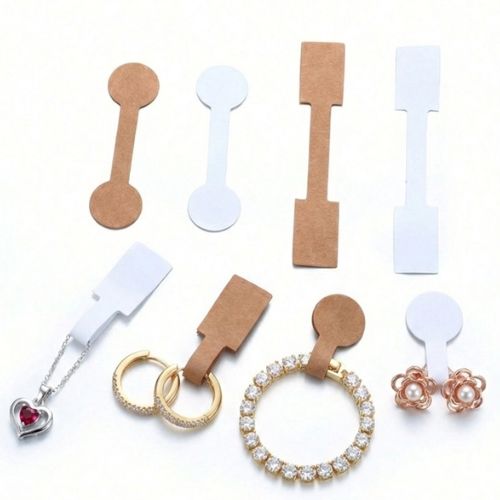
A plant pot tag is not a jewellery tag: choose for the plant's environment
Nursery tags, labels and plant pot stickers
Decide whether information is attached to the pot, tied to the plant or shown on a separate tag. Define what customers need to see and what nursery staff use. Plant tags and packaging labels require different tests, even if they carry the same name and price.
To continue checking, see Product marking tags.
Water, sunlight and application to a real surface
Describe irrigation, storage and display location, and request material and print testing under relevant working conditions. Do not infer outdoor durability solely from tag colour or thickness. For a plant-pot label, check adhesion to the pot itself, including texture and moisture at application.
To continue checking, see Choosing material for the usage conditions.
Information that makes handling and selling easier
Leave clear space for the plant name, internal code and any additional information the business chooses to provide. Leave margins around barcodes and print a sample to scan. Avoid crowding many instructions onto a small label; supplementary information can appear on a relevant product page.
To continue checking, see Producing label rolls.