Business label types: how do you choose material, adhesive and printing?
On this page
Choosing a label starts with the product it will be applied to and the conditions in which it must remain readable. Terms such as paper, vinyl or PVC describe only part of the solution. Adhesive, printing, coating and application surface also affect the result. Before ordering quantities, test a sample on the actual packaging.
What should I specify about the usage environment?
Describe whether the label is in a shop, warehouse, refrigerator or outdoors. Specify exposure to water, cleaning agents, heat or abrasion. Do not infer durability solely from material appearance. Define how long information must remain legible and test a sample with the intended print and adhesive.
How do I choose the adhesive?
Check the application surface: cardboard, glass, plastic, metal or another material. Specify whether the label should remain permanently or be removable, and the conditions during application. If marks must not remain, test a sample on a suitable item before large-scale application. The same adhesive cannot be guaranteed to behave identically on every material.
Fixed design or variable information?
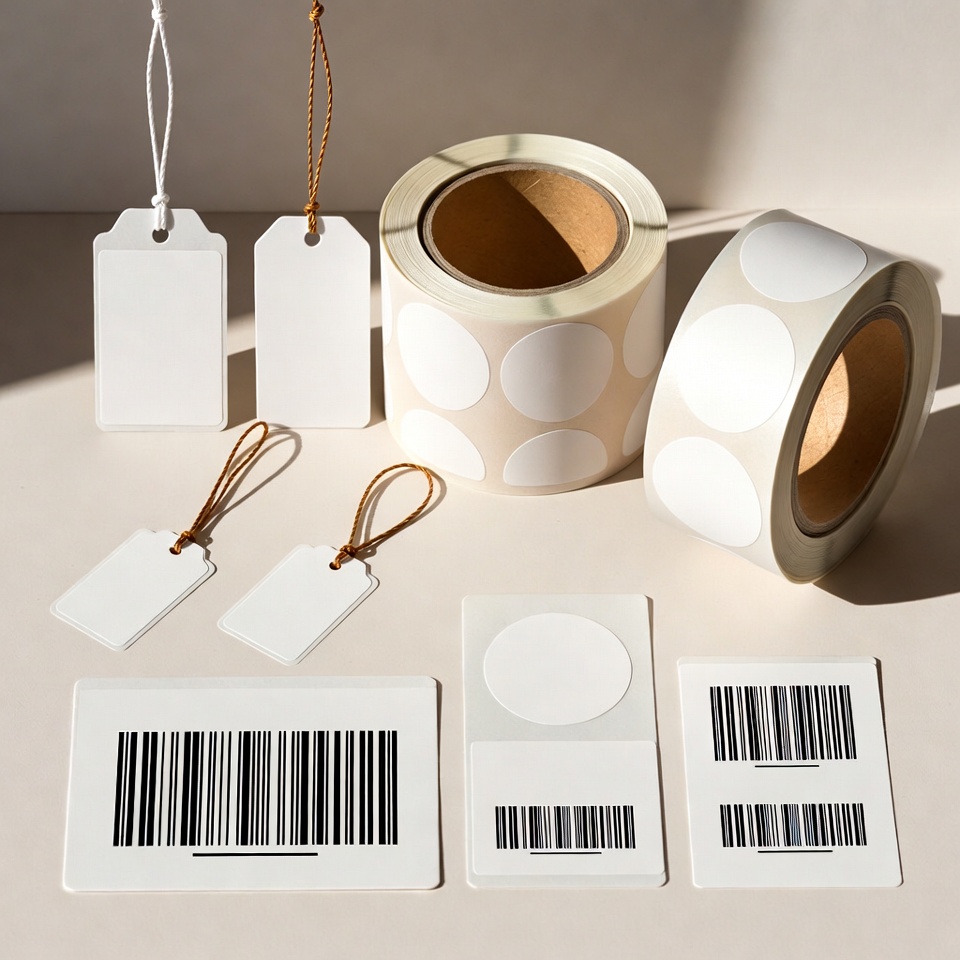
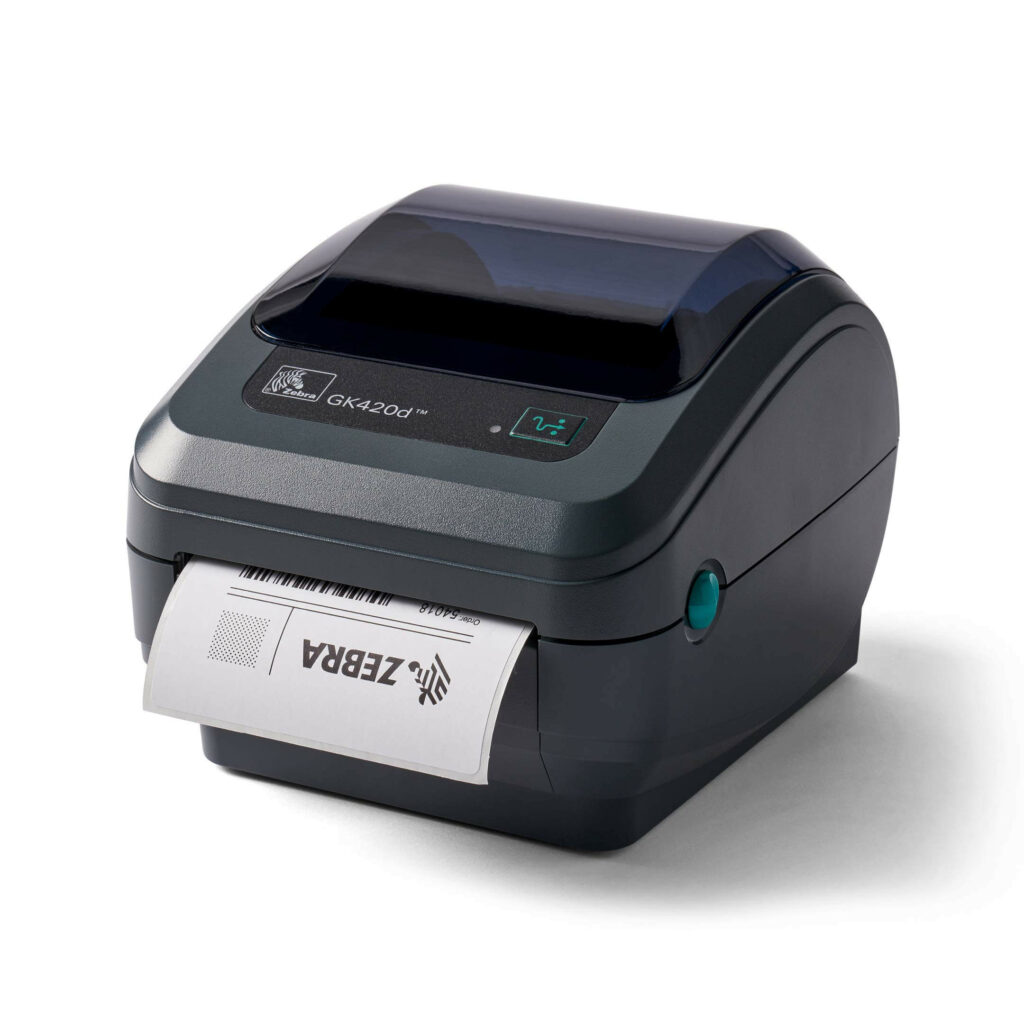
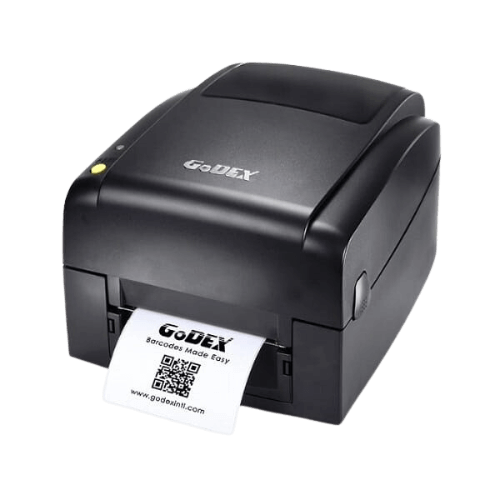
A repeated logo and design may suit a printed roll order. Variable prices, barcodes and dates require planning the print process and available label space. Check the Printing method and ribbon requirement According to the exact printer and label.
What should I check in dimensions and the roll?
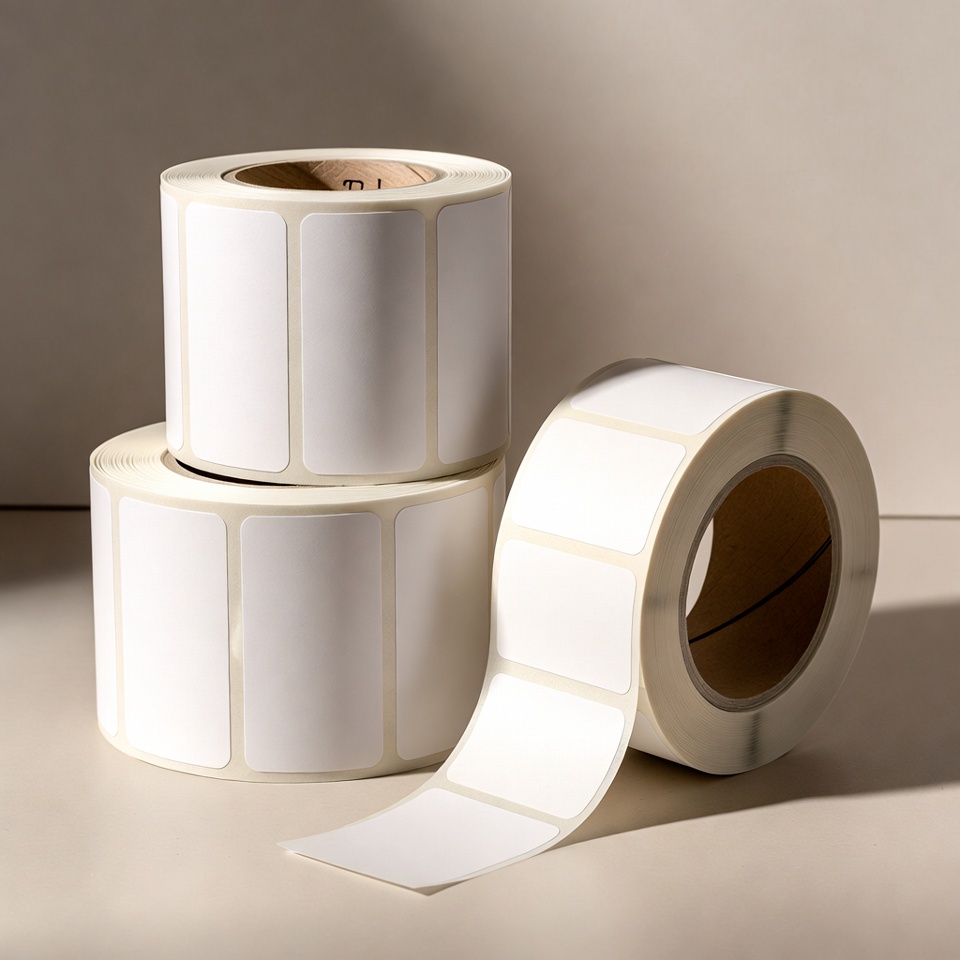
Measure width, height and available product margins. For printer rolls, also define core, outer diameter and winding direction. The guide to measuring a label roll explains which data to prepare. In a print sample, ensure text and barcode remain readable at actual size.
Where should I start comparing?
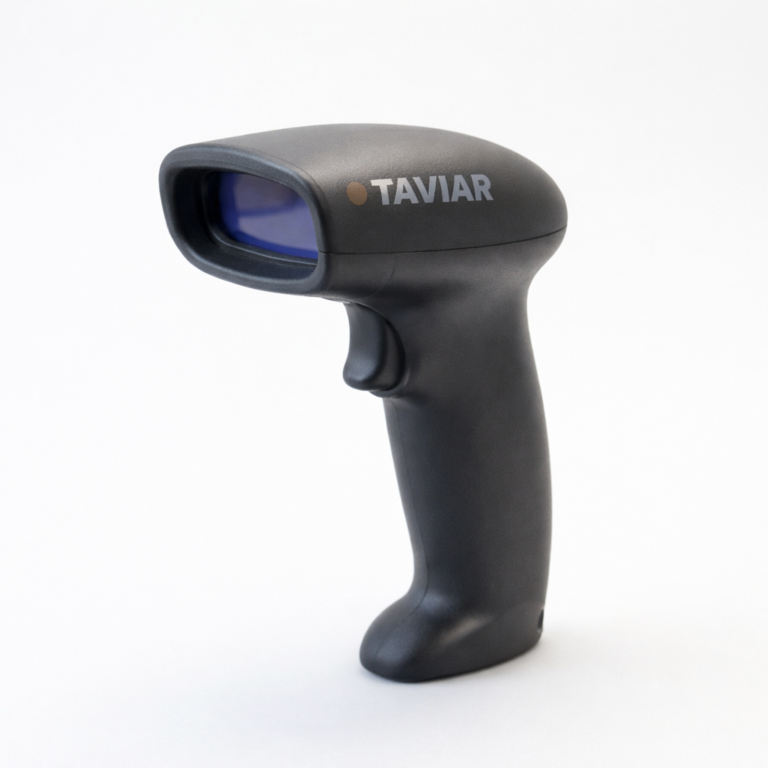
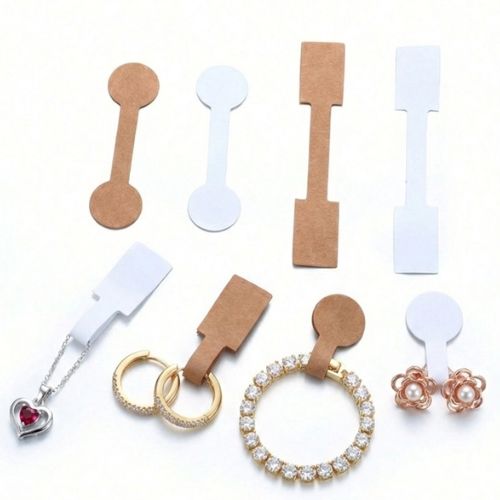
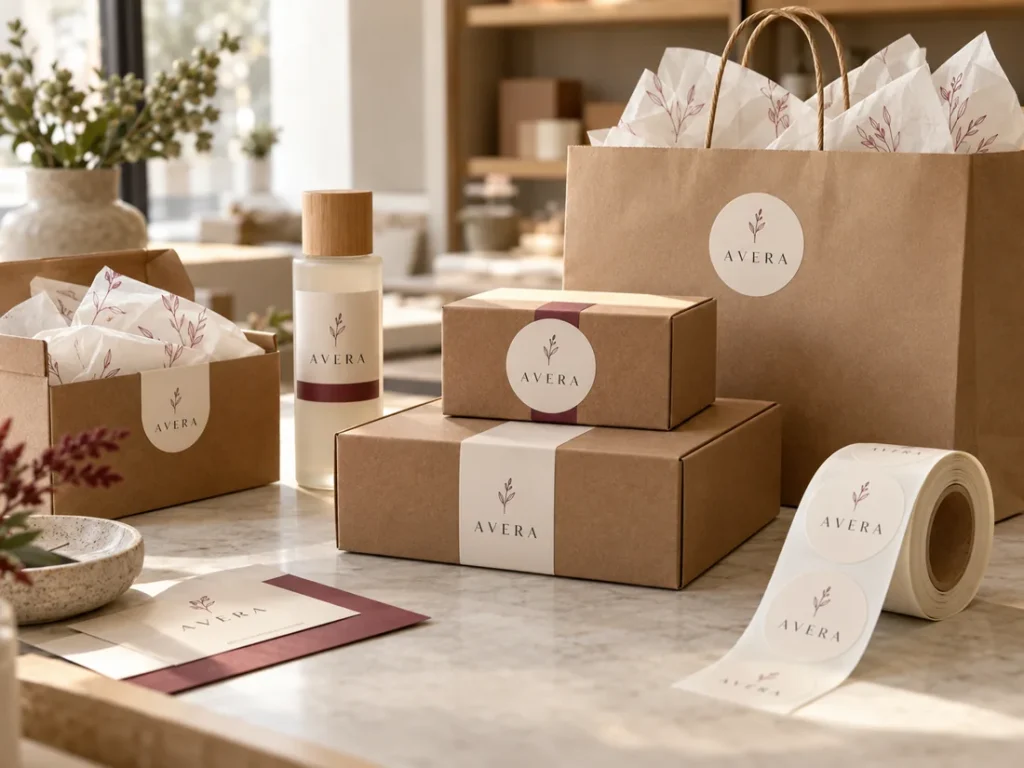
For design and branding, see Business labels. For in-house printing, start withRoll labels. To mark products with a code, go toBarcode labels. Send a sample, dimensions and a description of the intended use to narrow down the options without relying on the material name alone.
From the surface to the label, not the other way around
Start with the packaging or item receiving the label. Specify whether the surface is smooth or rough, flat or curved, and what happens during use. Compare materials once these questions are clear. A sample that worked on another surface may illustrate appearance but does not prove adhesive compatibility.
Separate label material, adhesive and printing. A generic request for a strong label does not explain whether text must stay readable, the label must resist tearing or removal must be difficult. Define each requirement separately and request suitability for usage conditions.
When planning artwork, view the result at actual size. Logo and text must remain clear against the packaging colour, with sufficient space for the barcode structure. Before a repeat run, document the chosen specifications so selection does not need to start again.
A short preparation checklist before choosing
- Photograph of the surface and packaging
- Dimensions, quantity and number of designs
- Usage conditions and removal requirements
- Printer model if printing in-house
How do I check that the solution is suitable?
Prepare a representative work sample. Test it with your equipment and item, record approvals and outstanding questions, and keep the version and specifications for repeat orders. Compare alternatives under the same conditions, not using photographs or prices for different tasks.
Adhesion testing involves more than testing the material
Apply a sample to the actual intended surface and check readability, edges and removal throughout the intended usage period. Dry packaging at room temperature differs from a bottle with condensation. Any specific durability must be confirmed for the proposed material and adhesive, not inferred from the general material name.
Plan the printing too
Not every material suits every printing method. Specify preprinted or in-house-printed labels and the printer model if available. This separates appearance and adhesion choices from equipment compatibility. A good design file cannot resolve incompatible media, ink or ribbon.
Paper, plastic, transparency and adhesive: define the label as a whole
What should I check before requesting water-resistant labels?
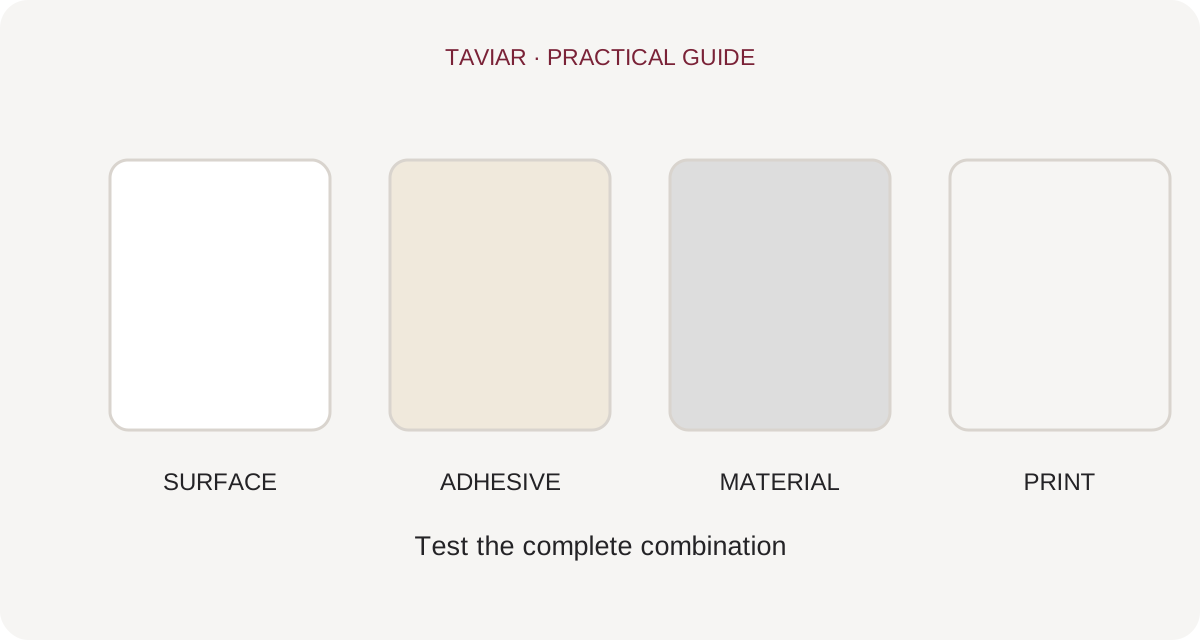
Describe actual exposure: occasional splashes, refrigeration, condensation or washing. The word resistance is not itself a specification. Check the label material, adhesive and print together on the intended surface. Transparent, white or coloured labels may look different on a dark bottle, cardboard box or clear plastic.
To continue checking, see PVC labels.
Polypropylene, polyester and PVC labels
Material names help focus the enquiry but do not guarantee every combination suits the same job. For PP, polyester or PVC labels, include the use, dimensions and a surface sample. For in-house printing, also check raw material compatibility with the printer and ribbon where used.
To continue checking, see Vinyl labels.
Removal, lamination and finishing
Decide whether the label must last for the product's lifetime or be removed after brief use. If lamination or extra protection is required, specify what it must protect against and at which stage. Test edges, wrinkles, readability and removal on an applied sample; behaviour on glass does not establish behaviour on every other surface.
To continue checking, see Ordering label rolls.