Branding: why does it matter?
On this page
When a business or product is starting out, branding is one of the first things to develop. Business branding establishes your desired identity - who you are and what you represent - for potential customers. A clear identity helps customers recognise you and connect you with your jewellery wherever they encounter you, from business cards, the website and Facebook to the packaging in which jewellery reaches a satisfied customer.
What exactly is branding?
Branding is a marketing process that gives a business a clear identity so target audiences recognise it and distinguish it from competitors. Just as friends recognise our names and associate qualities with us through familiarity, branding enables customer recognition. For example, Michal Negrin immediately evokes a particular image of jewellery style, quality and price.
Branding begins with our values and the promise embodied in the product offered. That promise can be anything we choose: lifetime warranty, exceptionally high-quality materials, unconventional design or personalisation. The decision is ours, but promises must be kept! Once we promise customers something, we must ensure the product delivers. Over time, customers will then associate your products with particular values and qualities.
After defining business identity and its promise, we need to express them visually through a logo. The logo and its colour language are the clothes our business wears each day when meeting customers.
Why is branding needed?
We live in a competitive world, with many businesses competing for customers’ attention and spending. Customers consider many factors: price, colour, shape, location and, of course, the brand and product promise. Ultimately, they choose the product whose features seem to offer the greatest value. Branding a product or business creates a brand that customers want to choose because of what it offers. Without product branding, we are likely to be almost invisible to customers compared with our competitors.
How can you brand your business?
A few simple steps can help you establish basic branding for your business. Branding will be an important aid in every customer interaction, whether at a fair or by telephone, helping you present yourself and sell your jewellery more successfully.
Step one: introduce yourself
To prepare to introduce yourselves to customers, first take some time to answer a few questions. Write a few words about yourselves on paper: who you are, what you studied and where, how you came to design jewellery, why you chose the field and what you enjoy doing. The text need not be particularly long, but it should be genuine.
Next, write a few words about your jewellery: design inspiration, materials, techniques or other relevant details. Consider your customer promise. Design and aesthetics add value, but everyone designing jewellery offers those. What makes yours special, and why should customers buy from you?
Finally, consider your ideal customer. Mature, elegant women? Younger women wearing bold colours? Is the jewellery for everyday use, work or a prestigious event? Consider who is likely to buy it and for what purpose, and speak their language.
Once you answer these questions, you have the foundations of your brand. In each interaction with a potential customer, you can identify her, introduce yourself better and explain your products more precisely.
Step two: name and logo
A jewellery designer starting out should use her full name as the business name. You are not a large corporation; success depends on connecting with potential customers, who should know a woman understands them and designs jewellery especially for them. Successful, well-known Israeli designers use this approach, including Michal Negrin and Hagar Satat.
The logo should therefore be simple and, above all, represent you faithfully. You can use symbols or add a tagline, such as Michal Negrin - live for fantasy, or Haruz Kazeh graduate Karen Ashkenazi, owner of Karen - Takhshitim MehaBeten. The logo should primarily represent your jewellery style. For a mature, elegant audience, colours and font should be conservative. For a younger audience, bolder colours and more creative design can be used.
One final point
One final point that matters greatly when choosing the final logo is that you should like it. In my marketing experience, business owners who love their own logo promote it. They put it on their car, decorate the business in its colours, maintain consistency across business advertising and more.
Business owners who were not comfortable with their logo, either because they disliked its appearance or because the main promise chosen did not match their vision, used it timidly and displayed it only when absolutely necessary.
Summary
Just as we know not to wear a tailored suit to the beach or loose trousers and a vest to a festive dinner, our business identity, from self-definition to logo, should connect to our products, customer promise and customers' character.
Article author: Osnat Plaut, founder and owner of the Haruz Kazeh Jewellery Academy
How do I proceed to product selection?
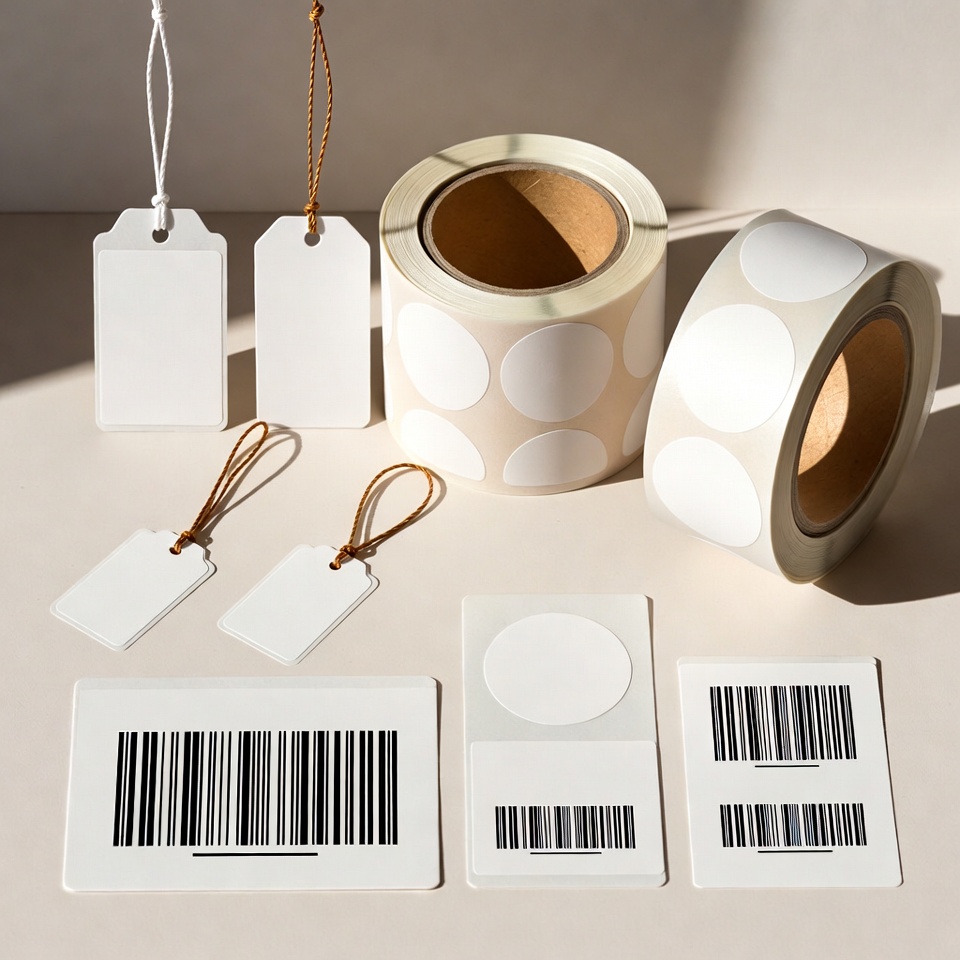
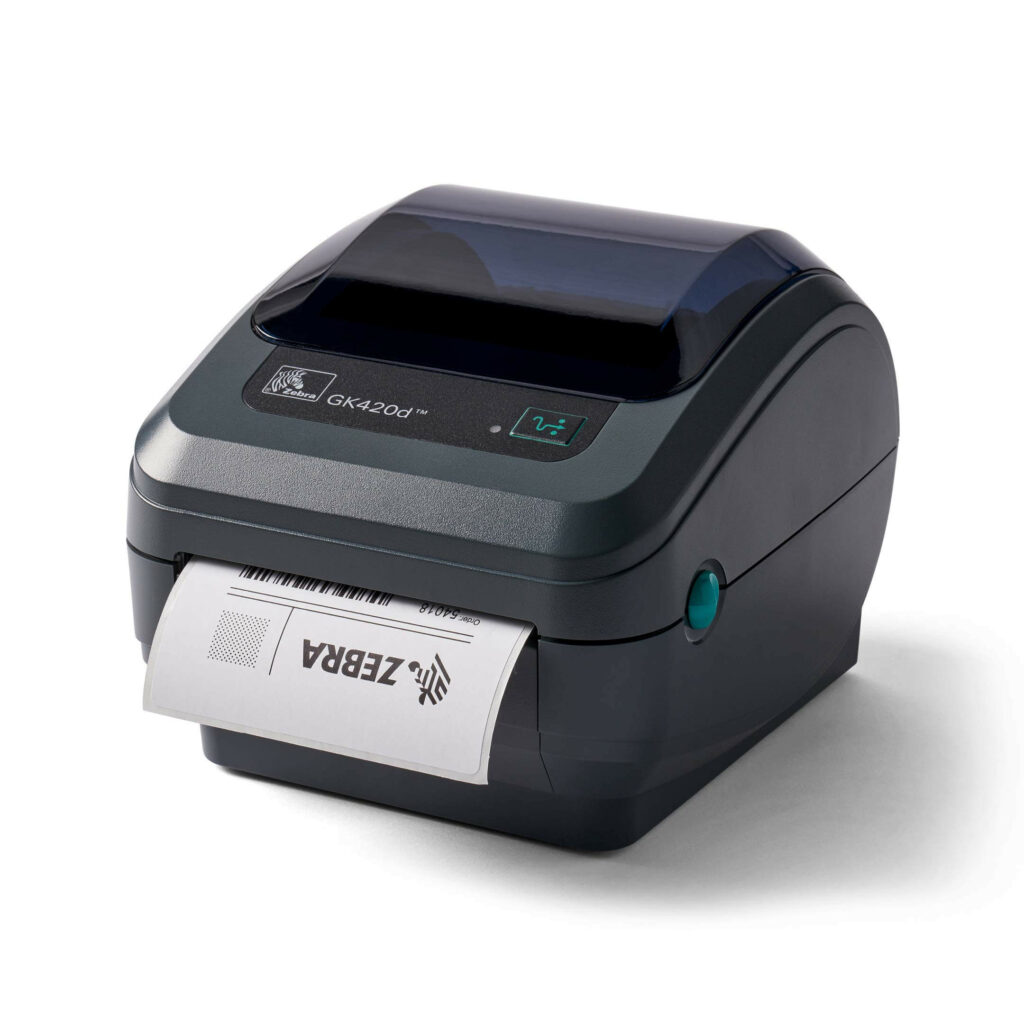
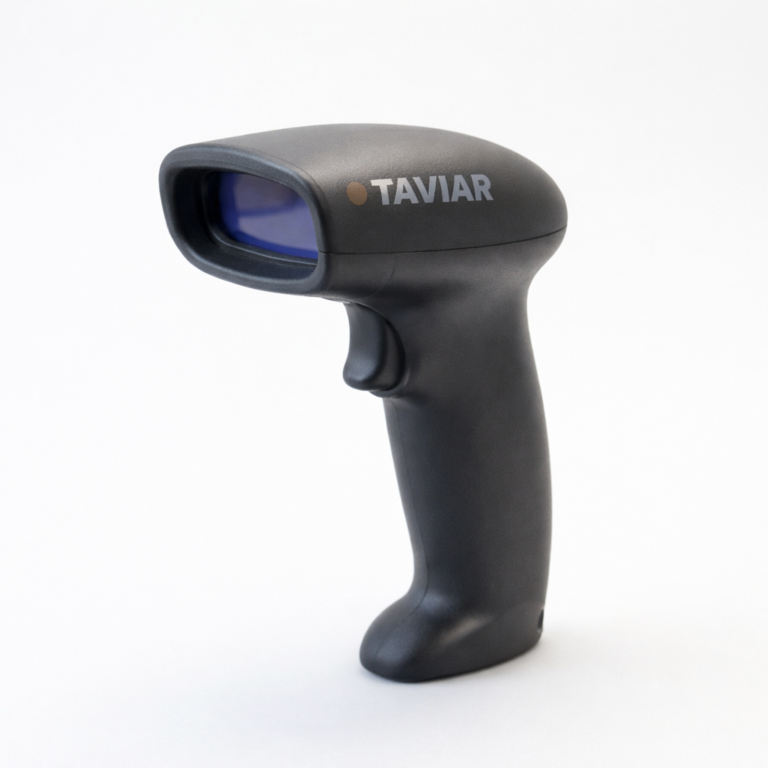
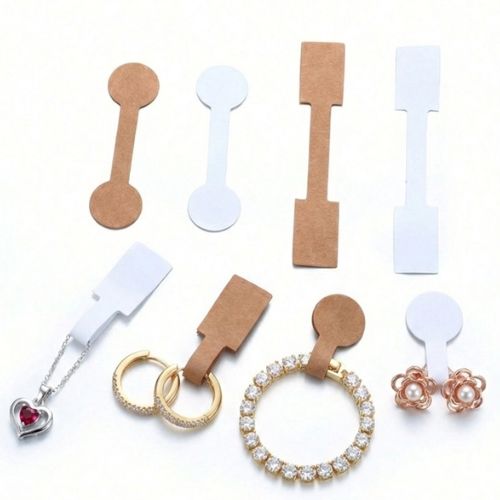
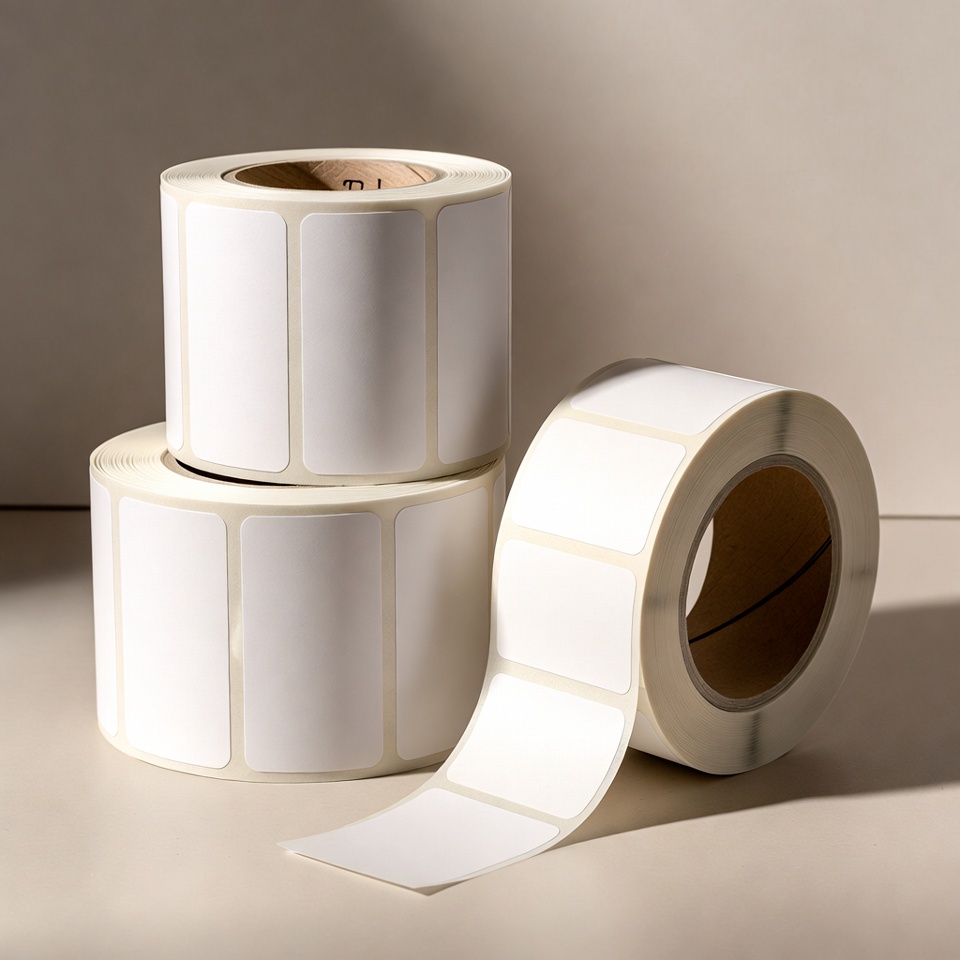
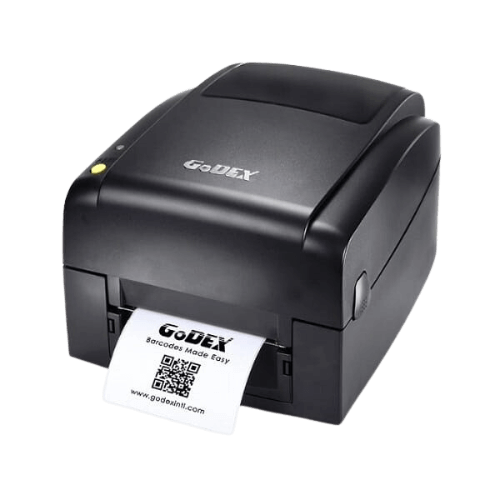
For packaging with a fixed design, start withBusiness labels and custom options. For information that changes from item to item, check Barcode labels and Label printer selection guide. AtGuide to logos on jewellery tags provides readability guidance for a small print area.
How do I make a branded label useful to the customer?
One readable message
Choose what the customer needs to recognise first: business name, product type or useful information. Do not try to fit the entire business story on every label. On small labels, reducing detail is better than shrinking all the text until it is unreadable.
To continue checking, see Preparing branding for print.
The surface changes the result
A logo on a transparent label may look different on white packaging and a dark bottle. Test a sample on the actual product, including curves and seams. Matching material, dimensions and position helps the design integrate while keeping information clear.
To continue checking, see Branded label options.
Build a packaging range rather than a collection of files
For several sizes or products, define a shared template and a fixed position for variable information. Use clear filenames and separate review versions from approved versions. Before a repeat order, check that the submitted version contains up-to-date details.
To continue checking, see Matching material to packaging.